
#2 - MAY 2024

The presence of women: a new mindset for organisations
The photo, figures and quotes illustrating this editorial remind us that women’s place in society is a major issue that continues to concern or encourage people, depending on the country, its history and its national culture. For over a decade, the presence of women in companies has increasingly become a strategic matter and an organisational issue. How can women be promoted more to achieve greater parity? How can gender diversity become a model for organisational development? What do female leadership and the careers of the women we interviewed teach us about running a company? How does the place of women pave the way for greater diversity in organisations, linking personal fulfilment with corporate performance?
This report is based on the SKEMA Observatory on the feminisation of big French companies and a qualitative approach based on interviews with women with inspirational careers: where does parity stand in the governance of big companies? What are the incentives for greater diversity? What are the contingency factors, from the sector to the company’s national culture? Does this mean that leadership is gendered? What can the feminisation of governance teach us about organisations and leadership?
In addition to strategies and action plans, regulations have created a strong dynamic to encourage companies to foster parity. But though the regulatory lever has proved effective, it is ineffectual in dealing with the contingency factors: some sectors and professions remain more feminine or masculine than others, and require specific educational policies. While the results are remarkable, we must not relax our efforts to make gender diversity and, more broadly, diversity an explicit policy within companies, ensuring equality and/or equity.
The career paths of the women in corporate governance we interviewed illustrate the rise of a more “authentic” form of leadership, where decision-makers’ sensitivity, intuition and convictions acquired through experience are reconciled with the demands of the responsibilities involved. Is this more authentic leadership “feminine”? Nothing suggests that this an indisputable fact, but these are strong markers of how leadership styles are evolving within organisations. Depending on corporate and national cultures, practices take different forms and are addressed through reflection and formal communication: mixed or single-sex talking groups, support, incentives, the promotion of practices within Diversity & Inclusion or Human Resources departments, and so on.
Authentic leadership also makes it possible to overcome the dichotomy between consideration for employees and strategic ambition or the achievement of goals. Organisational development involves a greater proximity and presence of decision-makers with their teams, as well as new forms of governance that facilitate organisational learning or structures on a human scale. Beyond the necessary parity, women’s presence is creating a new dynamic within organisations.
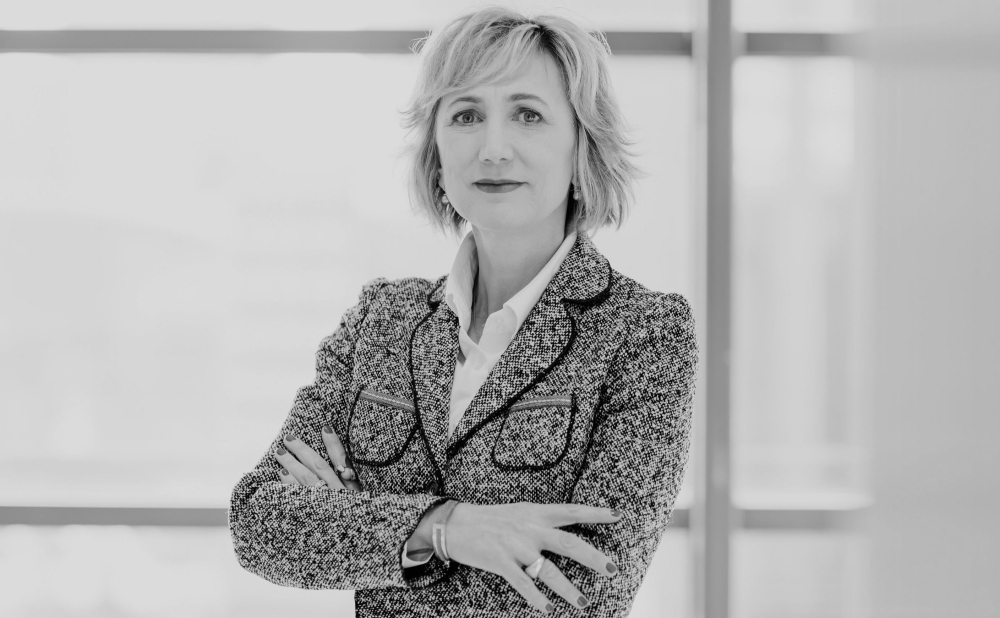
Pascale Viala
Vice-Dean and Corporate Office Director, SKEMA Business School
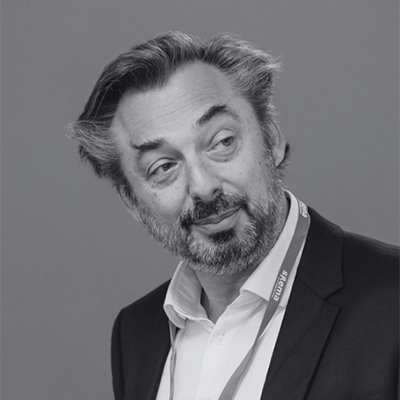
Fabien Seraidarian
Director of Knowledge Transfer and of SKEMA Global Executive MBA,
SKEMA Business School