
#3 - OCTOBER 2024

For better decisions, get two intelligences “in Dune”
To help professionals make better decisions, Christophe Bisson, professor and researcher at SKEMA Business School, has created a platform that uses artificial intelligence to bring prediction and futurology together.

Christophe Bisson
Scientific Director of MSc Business Consulting & Decision Intelligence Paris, SKEMA Business School
At a time when society, organisations and humanity are increasingly facing major challenges, we need new systems to help us think holistically and enable a sustainable society to emerge. This means building de-siloed decision-making systems, augmented by artificial intelligence.
It also means taking into account all the factors that can affect an organisation beyond the financial and economic aspects, like the environment, society and geopolitics. We are straining the planet’s limits more and more, and thinking about the future in these circumstances is vital.
Understanding the past and the present enables us to anticipate the future. While the accurate prediction of all futures remains essentially in the realm of science fiction – as in the film Dune, where the Lisan al Gaib has a precise vision of the past and futures linked –, there are two sciences that help us think about the future: prediction and futurology. The former, increasingly enhanced by AI, uses quantitative methods to predict a certain outcome (e.g. currency parity); the latter aims to explore possibilities for the future, to help decision-makers prepare for different eventualities (e.g. concerning the future of the city), and most often uses qualitative methods without the intervention of AI.
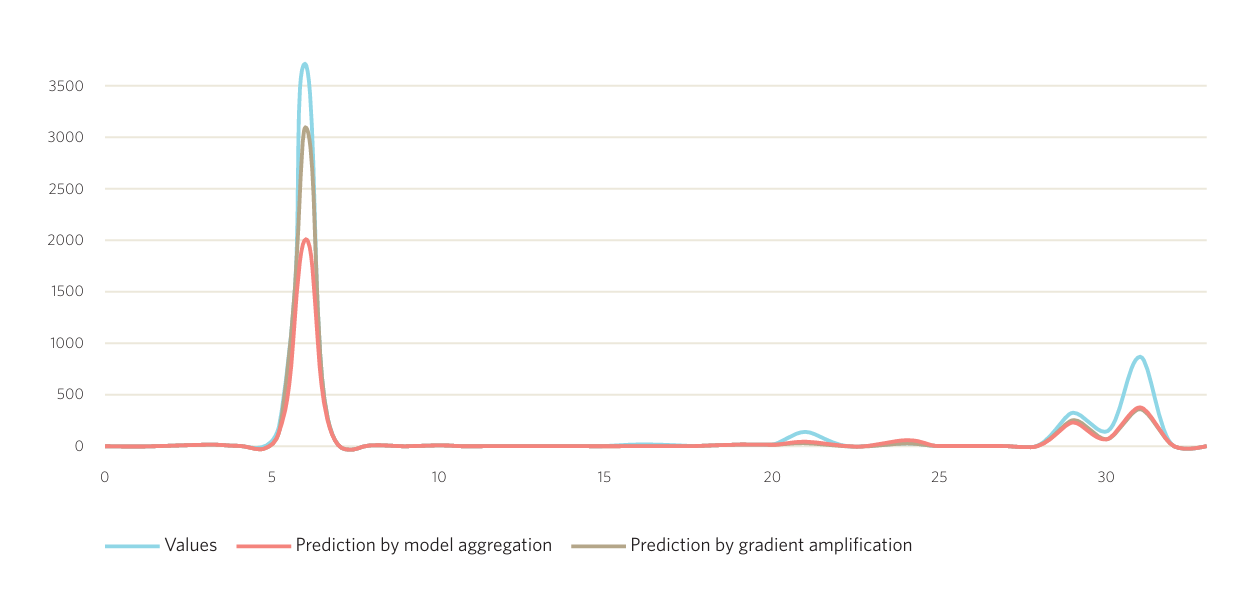
Figure 1. Use of AI for prediction
Click to open image in full screen
Both sciences have their pros and cons. Prediction works in some areas, but when it comes to multi-disciplinary aspects (e.g. strategy, which has to factor in far more than economic and financial variables), it does not give good results. With subjects like geopolitics, where actions can be distorted by non-rational movements, the psychology of decision-making needs to be considered, and that’s where futurology can be useful.
So I have created a platform that brings together prediction and futurology. Using AI, it enables us to see how far we can assess the impact of variables and predict future results, so that we can assess some of the vital values of robust strategies. Figure 1, for example, shows the projection of a value curve (in blue) and the extent to which two different models chosen (in red and green) do or do not follow this curve. A number of other calculations can also be used to assess the weight of variables and the accuracy of the prediction.
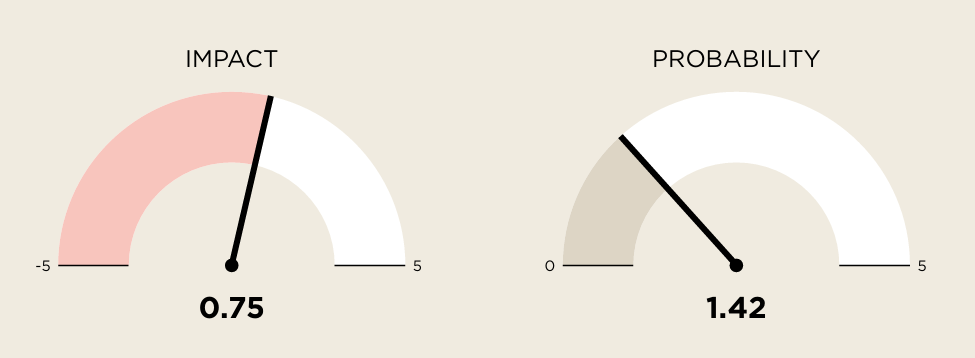
Figure 2. Scenario visualisation (Boirel and Bisson, 2019, Strategic Early Warning System for the French Nuclear Industry: a hybrid approach for more effective anticipation. 3rd International Conference on Anticipation, Oslo).
Click to open image in full screen
The rest of the inputs are collected via various experts. All the values obtained by the combination of AI and humans are then integrated into another module in the platform, which calculates the impact and the probability of occurrence of possible futures. Figure 2 shows a scenario for the nuclear market.
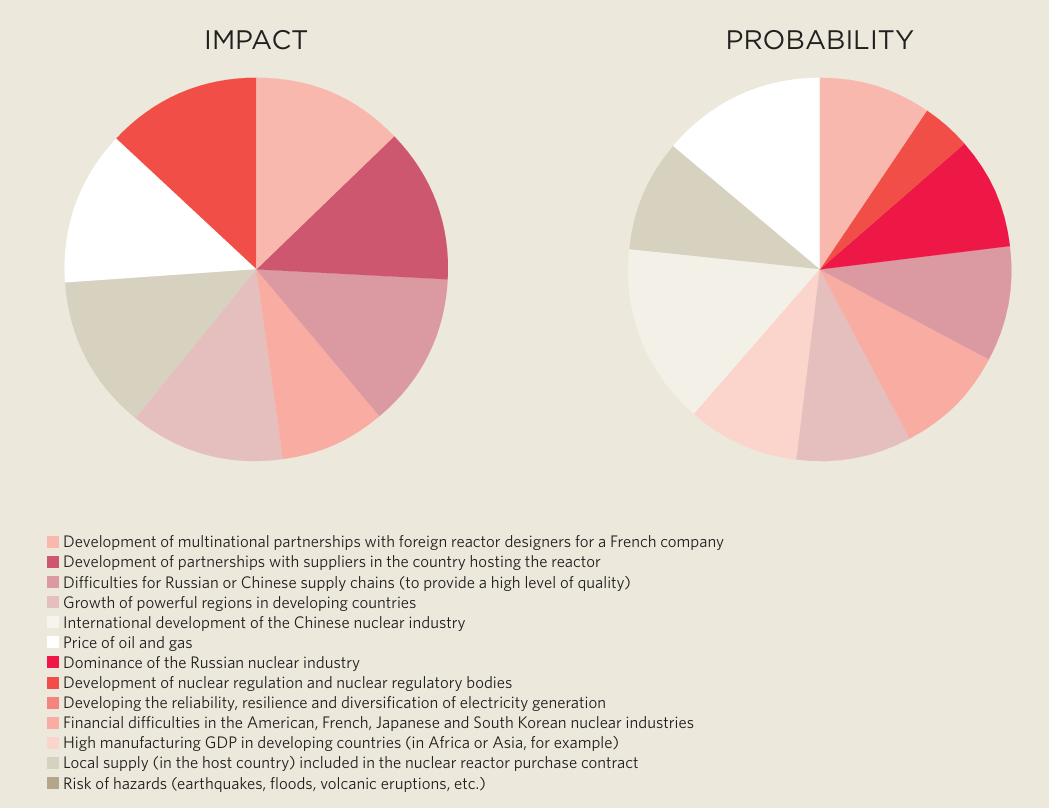
Figure 3. Variables influencing the scenario (Boirel and Bisson, 2019).
Click to open image in full screen
Figure 3. Variables influencing the scenario (Boirel and Bisson, 2019).
Figure 3 shows the scenario’s explanatory variables and their weights. This platform thus enables the convergence of futurology and prediction (using AI), in other words between human and artificial intelligence.
The aim is to act more quickly. Using this platform, we can first use generative AI to inform the decision: after selecting a model, it will name the scenario, describe it and organise the strategy, based on all the scenario’s components (see Figure 4).
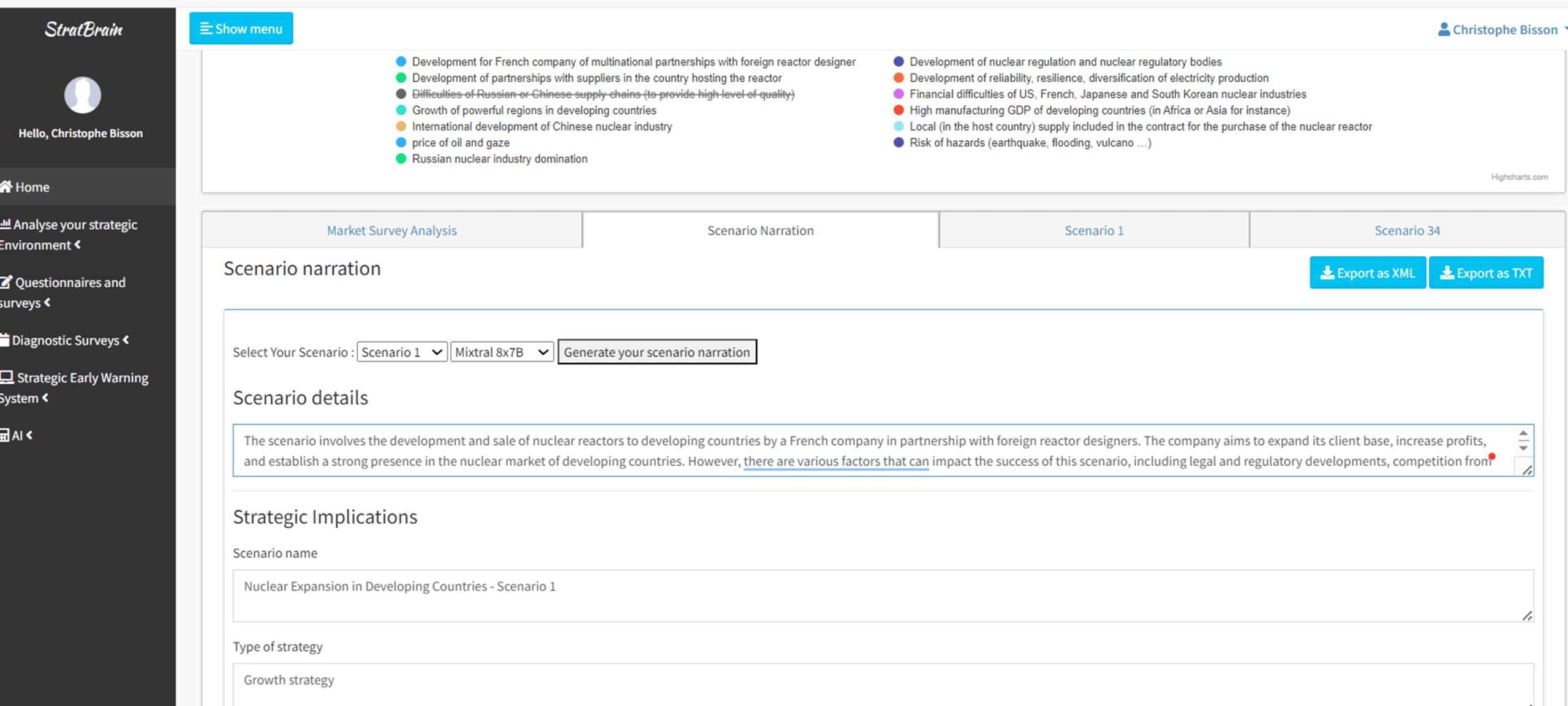
Figure 4. Strategic interpretation by Generative AI
Click to open image in full screen
As Albert Einstein said, we cannot solve our problems with the same thinking we used to create them. This work is fully in line with the renewal of strategic systems to help us anticipate and make better decisions. And co-design a more sustainable world.