
#4 - APRIL 2025


Kais Ben Hamida
“EVERY CONTEXT CALLS FOR
TAILORED
APPROACH”
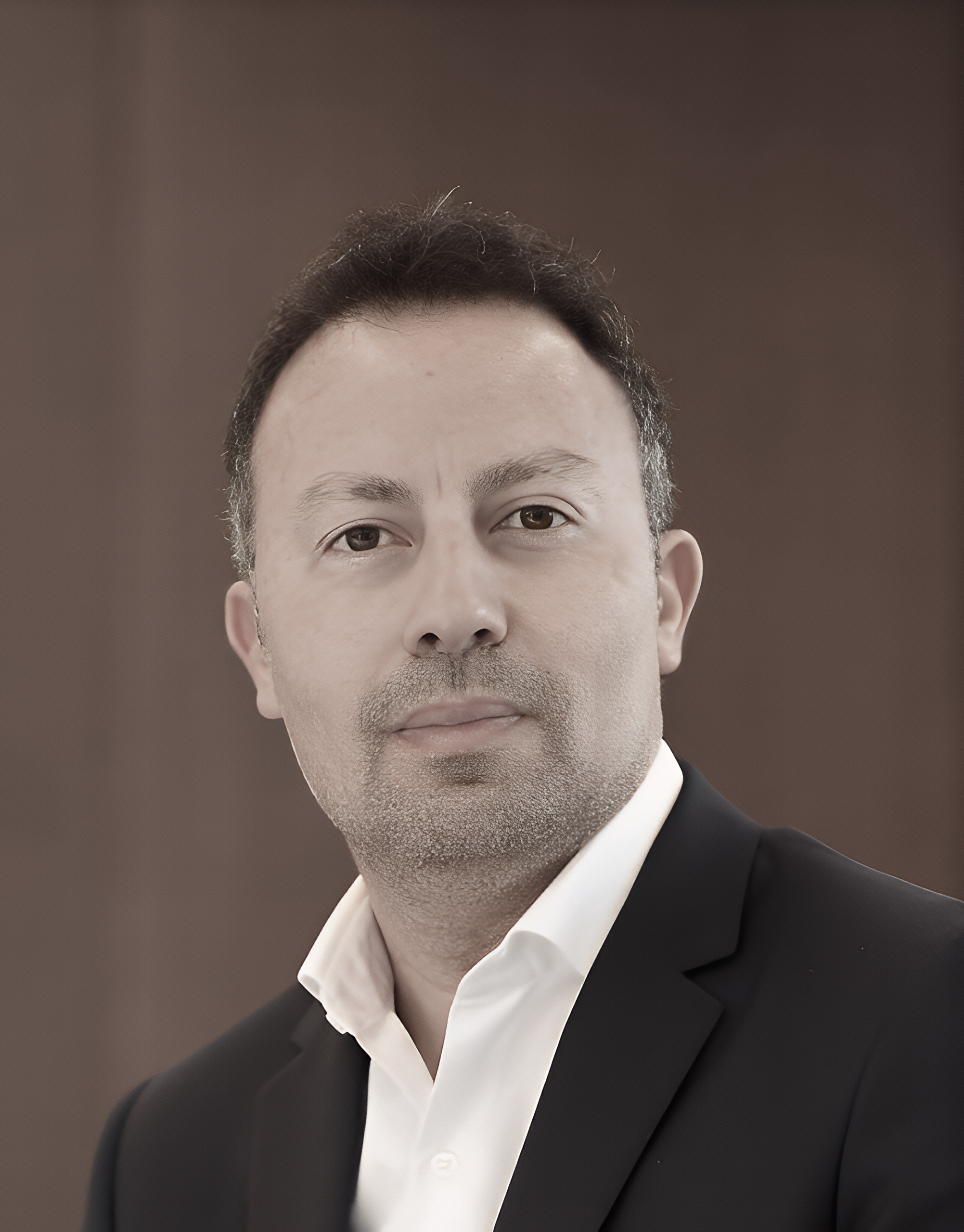
From the United Arab Emirates, where he is Chief Financial Officer at DU, the country’s second largest telecoms operator, Kais Ben Hamida shares his international and pragmatic vision of transformation.

Interview by
Antoine Boitez
You have worked in several countries and overseen some major transformations. What is your vision of transformation today?
Transformation is now at central to corporate strategy. In a sector like telecoms, where I’ve spent most of my career, rapidly changing technology cycles mean you constantly have to adapt. But it would be a mistake to reduce transformation to a technological challenge. It also affects customer expectations, business models and the very structure of organisations. Transformation, as I see it, is a strategic, organisational and profoundly human process all at once. It requires a clear vision, a rigorous roll-out and a constant eye on how it impacts teams.
How precisely do you combine strategy and people in these transformation projects?
Success lies in a balanced mix of topdown and bottom-up approaches. The “top-down” approach involves defining a clear strategic vision, supported by the board of directors and senior management, and legitimising the resulting initiatives. At the same time, a bottom-up approach is essential to involve the operational teams, reduce resistance to change, ensure that the project is in line with the actual situation on the ground and constantly adjust the roll-out process. However, the human factor is always the most complex part. Fear of the unknown, the weight of old habits and anxiety about technologies like artificial intelligence (AI) can generate resistance. Identifying this resistance, understanding it and responding to it through support and training is a crucial step in transforming these fears into opportunities.
What role does technology play in a transformation?
Technology is often the catalyst, but it is generally not enough. Take AI: it has the potential to transform entire sectors, but its adoption requires an in-depth review of processes, the adaptation of competences and an organisational culture that is open to innovation. In short, technology is a lever. The real transformation lies in an organisation’s ability to mobilise its talent and align its strategy with these new opportunities.
Can you cite a transformation that achieved success through the emergence of new technologies?
One speaking example is the virtual SIM card. This means that customers can now download a SIM card from their home, authenticate themselves using their ID, and manage their subscription via an app without having to visit a shop. This model is a success on several levels. It responds brilliantly to customers’ needs in terms of simplicity and speed, while generating significant financial gains for the operator, as it eliminates the costs linked with physical shops, the management of the premises and salespeople’s commissions. It illustrates a perfect alignment between the customer experience and the optimisation of resources.
You have worked in a wide variety of cultural contexts. How does this affect the transformation process?
The cultural aspect is a decisive factor. In the United Arab Emirates, where over 200 nationalities live side by side, there is real openness to change, but also very different expectations and sensitivities.
On the other hand, in contexts like France, where structures and habits are sometimes more deeply rooted, transformation can come up against more rigid regulatory or organisational frameworks. So every context calls for a tailored approach. This requires a detailed assessment of the cultural and organisational challenges upstream in order to build a tailor-made strategy.
What would you recommend to ensure a successful transformation?
Firstly, you need to define clear objectives that are aligned with the company’s strategic vision. Secondly, it’s essential to communicate with the teams continuously and transparently. Other key factors include structuring the project with measurable performance indicators and mobilising the right resources from the outset. Recognising people’s efforts and celebrating their successes, even with intermediary steps, is a powerful lever for motivation. Last but not least, training is essential. Preparing employees for the new tools and jobs is an investment ensuring that the changes adopted will last.
How do you see the future of transformation?
Transformation is no longer the exception. It has become a continuous process. Companies have to operate in an uncertain environment marked by constantly changing customer expectations, technologies and regulatory frameworks. The future belongs to organisations that can cultivate genuine agility by regularly questioning their models and making sure all the stakeholders are involved. But one thing never changes: the importance of the human factor. Technologies and strategies evolve, but it is the commitment and buy-in of teams that determine the success of any lasting transformation.
“ The future belongs to organisations that can cultivate genuine agility by regularly questioning their models ”