
#6 - JUNE 2026












AI, an expert where you least expect it?
Bit by bit, AI is making itself at home, developing expertise in fields as varied as the justice system and cinema.

Antoine Boitez
AI ON THE RUNWAY
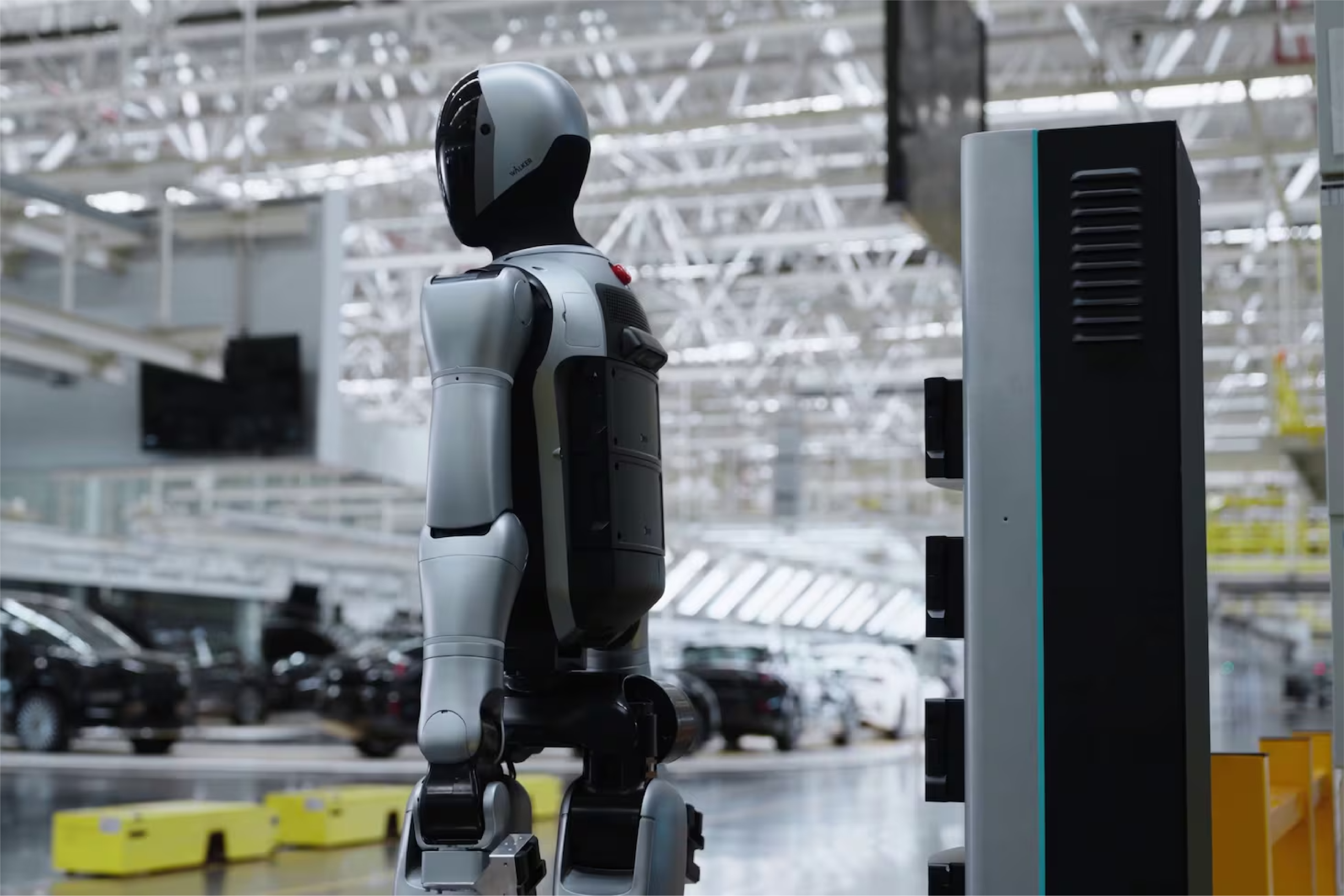
Displaying impressive technical ability, the Walker S2 robot, marketed by the Chinese company UBTech, is 1.76 metres tall and weighs 70 kg. This humanoid robot, which can carry loads of 15 kg, was commissioned by the European giant Airbus to perform tasks in aircraft manufacturing.

AI TAKES THE STAND
Justice, the very embodiment of democracy, is also undergoing a transformation. In 2024, the French Ministry of Justice began “exploratory work” on the use of AI within the courts. For the judge (and ultimately for the litigant), this saves time when processing cases. More specifically, the AI used is based on Mistral AI and would make it possible to:
AI IN THE CINEMA
In the first Terminator film, released in cinemas in 1984 (a somewhat Orwellian year), James Cameron dreamed up Skynet: a military AI on steroids, which became autonomous. It could think ahead, carry out actions and make decisions without human supervision. In the film, viewers follow the escapades of a killer robot tasked with eliminating one Sarah Connor…
Beyond the Terminator series, Skynet embodies a persistent fear: that of technology capable of supplanting human expertise in strategic fields. Long before the rise of generative AI, the philosopher Hans Jonas was already calling for an “ethics of responsibility” in the face of technological power. In his book “The Principle of Responsibility” (1979), the German philosopher puts forward a radical imperative: to preserve the conditions of existence and human dignity.
Hollywood fiction brings this concern to life in spectacular fashion. Skynet is not merely a hostile machine bursting with electronics. It symbolises the fear of automated expertise untrammelled by any judgement, accountability or doubts…
AI ON WALL STREET
The Flash Crash
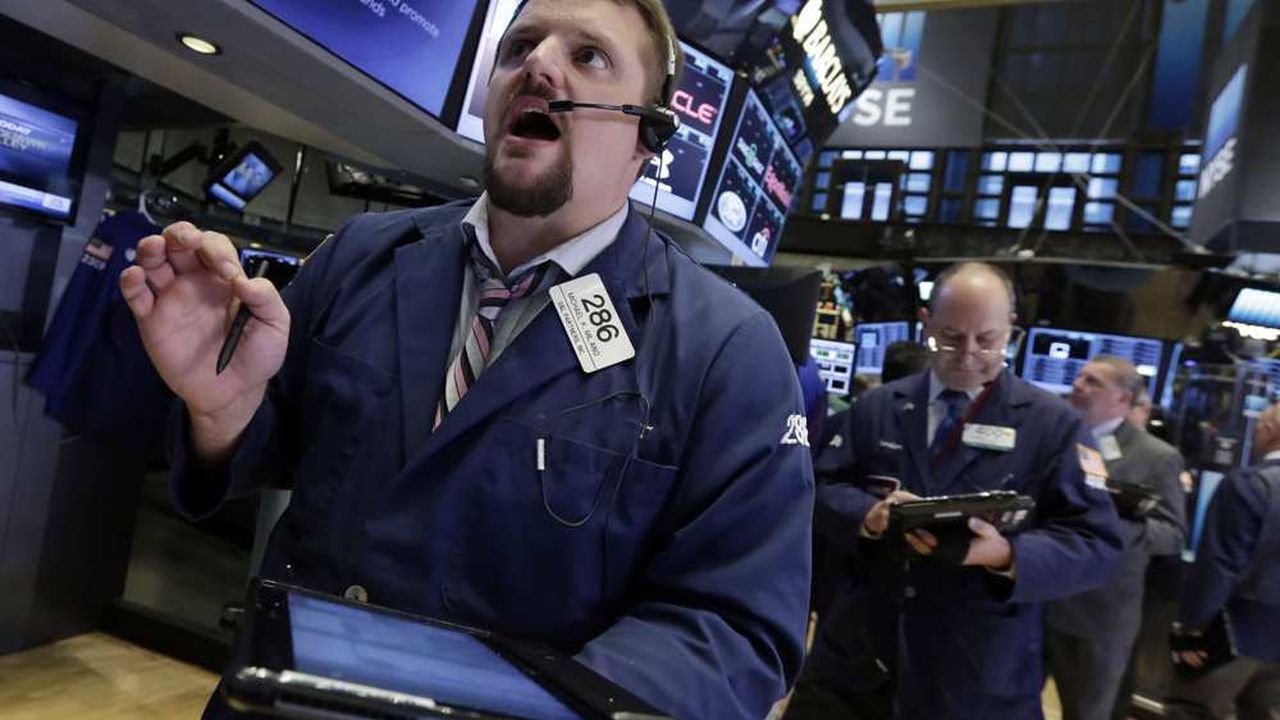
On 6 May 2010, the stock market was rocked by a sudden surge in activity it had not anticipated. Within minutes, the Dow Jones plummeted, before rebounding almost immediately. The cause? A trading algorithm, caught up in a chain of pre-programmed automatic reactions, amplified volatility at a pace human traders could not keep up with. This episode, dubbed the Flash Crash, marked a turning point: in some markets, order execution had already moved beyond the scope of conventional expertise. The trader was no longer the one taking action via the keyboard, but the one monitoring systems capable of triggering trades before any interpretation was even possible…
AI VS EXPERTS
1961
The Unimate robot, marketed by the American firm Unimation, is used for the first time on General Motors’ assembly lines.
1997
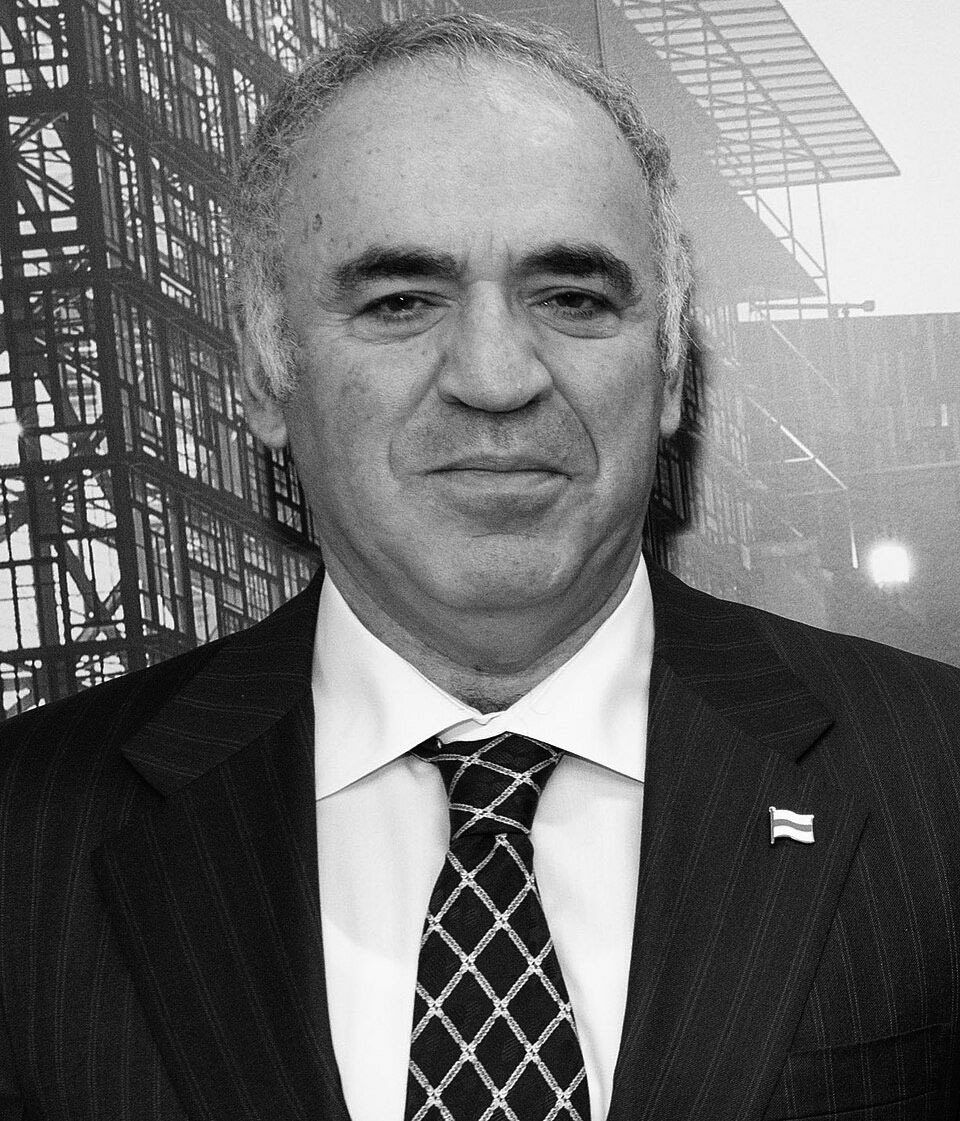
Deep Blue, IBM’s supercomputer, takes its revenge on Garry Kasparov, defeating the world chess champion.
2024
Europe regulates AI in patient care. AI transforms healthcare. It optimises hospital resources, helps doctors confirm a diagnosis, detects certain conditions, customises treatments, and more. Expertise is not vanishing, but shifting towards verification and clinical decision-making.
2026
With McKinsey, BCG and Deloitte, AI is no longer just a secondary tool. It has become a crucial tool for consultants in their day-to-day work. At McKinsey, a chatbot generates summaries based on the firm’s archives. AI generates analyses that are used as an initial reference point by the consulting teams.