#6 - JUNE 2026












Fabien Gillen: AI, the art of remaining indispensable
Fabien Gillen (SKEMA 1998) has been given carte blanche here. And the Valeo Group’s Vice-President of Human Resources has taken the opportunity to put this message across.
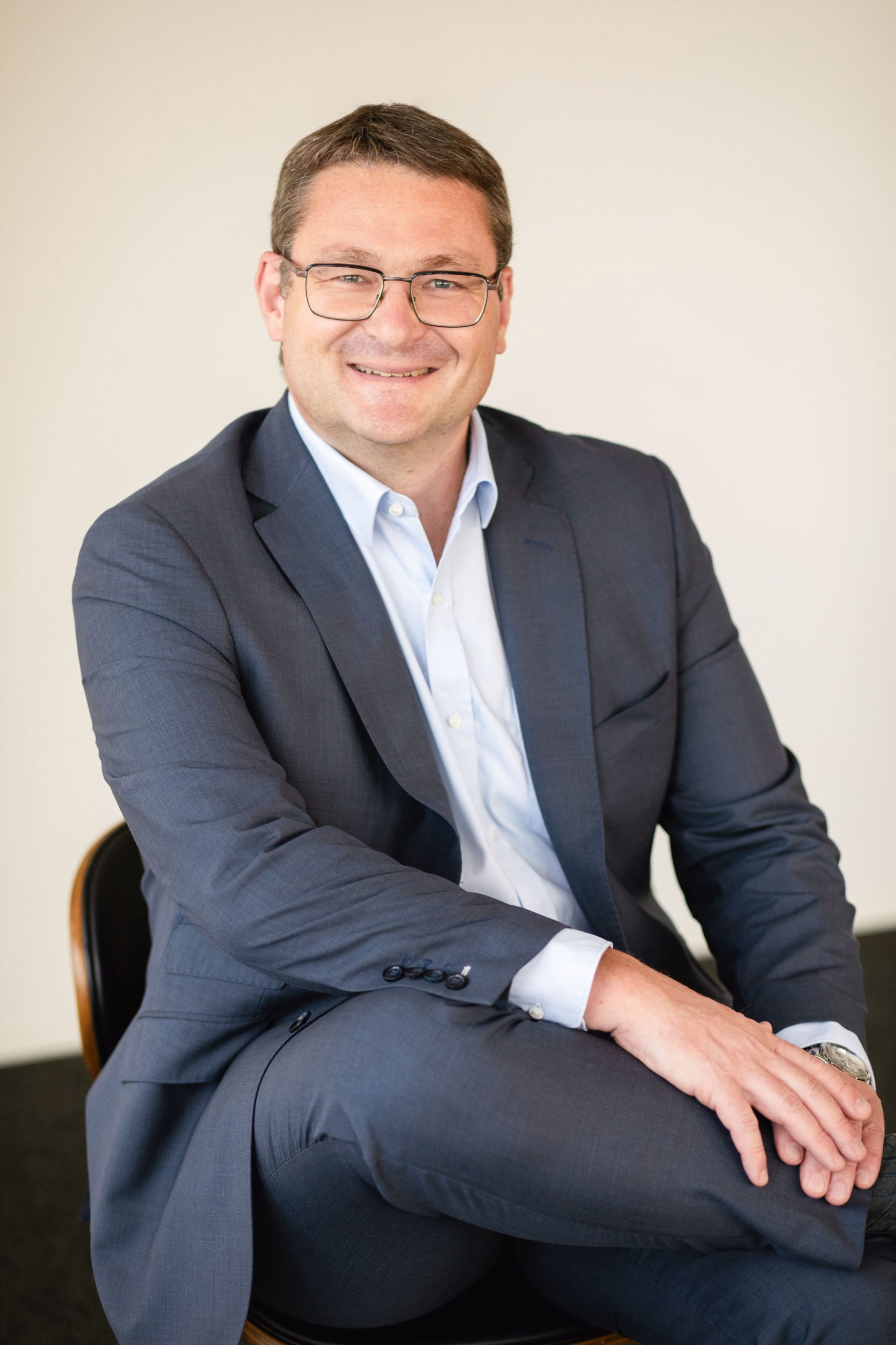
By Fabien Gillen
Vice-President of Human Resources
Valeo Group
CENTRAL TO INNOVATION and operational excellence within the Valeo Group, expertise has always been a key driver for technical skills development.
It involves not only the furthering of academic expertise, but also the creative thinking that made the Valeo Group France’s foremost filer of patents worldwide by 2024, and gave it the ability to engage with young people and help them develop their careers.
With AI’s deployment now gaining momentum, the conventional models for building these networks of experts are being disrupted by changes in various activities, with tasks entrusted to AI. This is a real game-changer, providing R&D teams with considerable potential for productivity.
This in no way calls into question the value of certain types of knowledge and expertise. However, as AI considerably speeds up development cycles (system analysis, design, simulation, testing and validation), organisations will need to adapt, and every engineer using AI will have to master a broader range of skills.
So this does not spell the inevitable end of in-house experts, but they will need to develop their skills to gain a more holistic understanding of their field, and learn to use AI as a way to boost efficiency and enhance their capabilities. We will also have an even greater need for master experts with in-depth knowledge of their subject and the ability to develop our models.
It’s a matter of learning day by day how to harness AI’s full potential by using it; rethinking the added value of augmented expertise, and making productive use of the time saved. In a demanding industry like the automotive sector, where precision and speedy innovation are vital, this hybrid approach seems to be the only way to stay in the race, given the fierce global competition.
It is also worth remembering that the more impressive AI’s capabilities appear to be, the more crucial it is to use it wisely and avoid “hallucinations” or erroneous conclusions. “Power is nothing without control,” as a famous tyre manufacturer put it a few years ago. There is a problem in that the algorithms governing AI are indeed sometimes uncontrollable. In the end it probably requires a human mind to pinpoint their flaws and inconsistencies. So we can look forward to a belated rematch against Deep Blue!
The shift in the concept of expertise away from application-related tasks towards the mastery of complex systems also raises questions about the ways in which young trainees learn. How can we become experts if AI indirectly deprives us of certain avenues of exploration that foster a deep understanding of complex systems, and are precisely what enable us to design and verify them? New approaches will be needed to preserve core knowledge while accelerating the learning curve. And who better than our current experts to think them up? A return to the heart of the matter: balancing AI control with the mentoring of future augmented experts.
This transformation of roles and the nature of expertise is inevitable, and it is absolutely essential to plan ahead so as to guide teams’ skills development and proactively manage the impact on jobs. Collaborative working, social dialogue, familiarisation with AI and support for all the players will be invaluable factors in tackling these challenges together.
We need to trust in the creativity of the human mind to ensure that AI becomes a capable co-pilot rather than a monstrous machine!
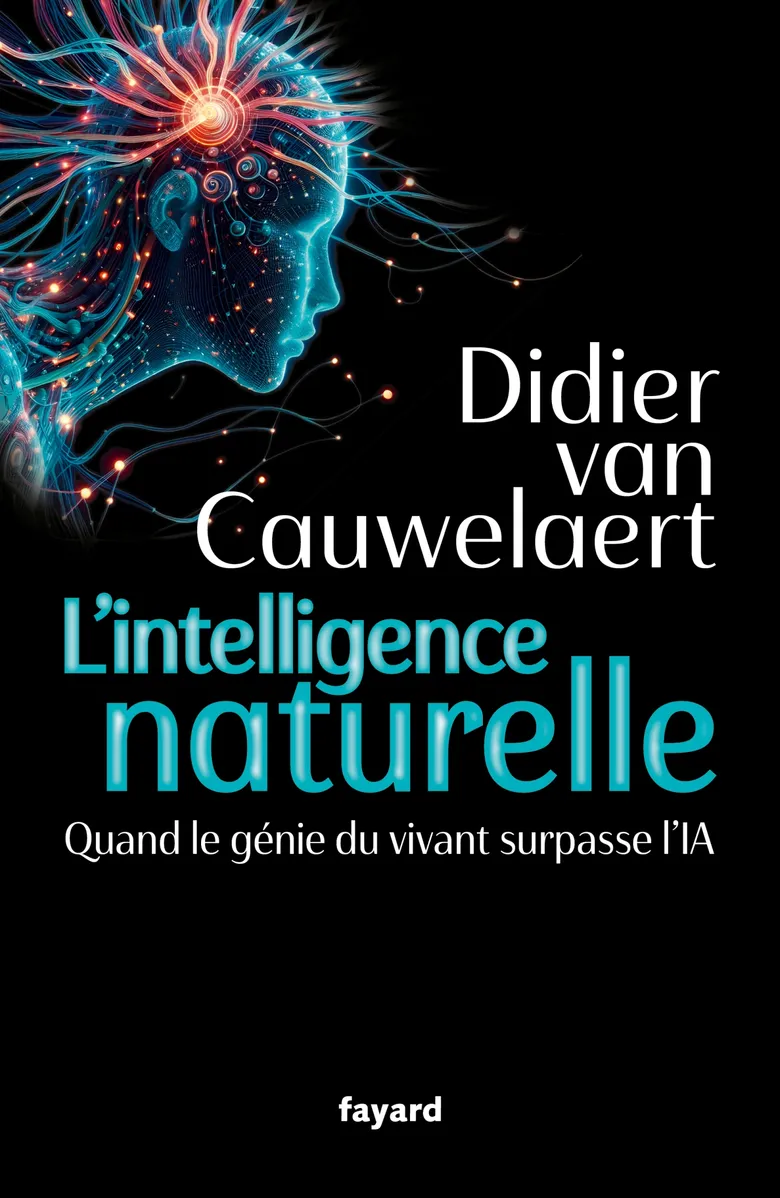
L’Intelligence naturelle
by Didier Van Cauwelaert (Fayard)