
#6 - JUNE 2026












The expertise of intelligence and the intelligence of expertise
FOR A LONG TIME, I thought expertise was a matter of talent. A kind of mysterious gift reserved for a select few who spend years studying to obtain rare, recognised qualifications and skills. My experience of leadership has profoundly altered this view. Expertise is neither innate nor accidental. It is the result of a demanding, purposeful process built up over time. Becoming an expert, as Andres Ericsson wrote (“Peak: Secrets from the New Science of Expertise”), is not about repeating what we already know how to do, but being willing to work on our weak points, step outside our comfort zone, seek critical feedback and, above all, make steady progress through resolute practice. An expert does not simply accumulate years of experience, but draws on their boundless curiosity (growth mindset) to continue learning in more depth, day after day.
Today, the advent of artificial intelligence (AI) is radically transforming this landscape. For the first time, we have tools that can customise learning on a large scale. AI makes it possible to tailor pace, level and teaching methods to each individual and support learning throughout someone’s life from a very young age. We are entering an era where the speed at which knowledge is acquired can be doubled at the very least (e.g. Alpha School). This is a major revolution for education, training and talent development and a tremendous opportunity for liberation.
But it is dangerous to confuse accelerated learning with the development of expertise. However powerful it may be, AI does not produce what lies at the heart of human mastery. It does not create the deep mental representations that enable us to understand a situation in all its complexity. It does not replace judgement in ambiguous situations where the rules are no longer enough. It does not develop the intuition needed to recognise exceptions, weak signals or anomalies. It does not convey that tacit, unspoken mastery that cannot be taught by textbooks and can only be acquired through repeated encounters with real life in a wide variety of experiences.
This is where the profile of the new expert in the age of AI begins to take shape and, more broadly, that of tomorrow’s individual contributors, managers and leaders. A human being who continues to work hard, with humility and discipline, and is aware that excellence cannot be left to a machine on its own. A leader who cultivates wide-ranging general knowledge, and can compare different perspectives, connect ideas and give meaning where AI provides answers. A leader who can harness human and artificial intelligences alike, switching between what Ethan Mollick calls “centaur” mode (where humans decide and AI assists) and “cyborg” mode (where AI is integrated into human cognition, with continuously augmented thinking), and who above all becomes a true coordinator of agents and intelligences (including his/her own expertise), all serving a clear purpose.
Because, ultimately, the key question is not what AI can do for an expert, but what the expert decides to enhance with its help. Now more than ever, experts, managers and leaders need to be clear about their purpose, their raison d’être and their desire to make a unique contribution to the world. In the age of AI, expertise is not under threat. But it is becoming more demanding, unique, self-aware and more profoundly human.
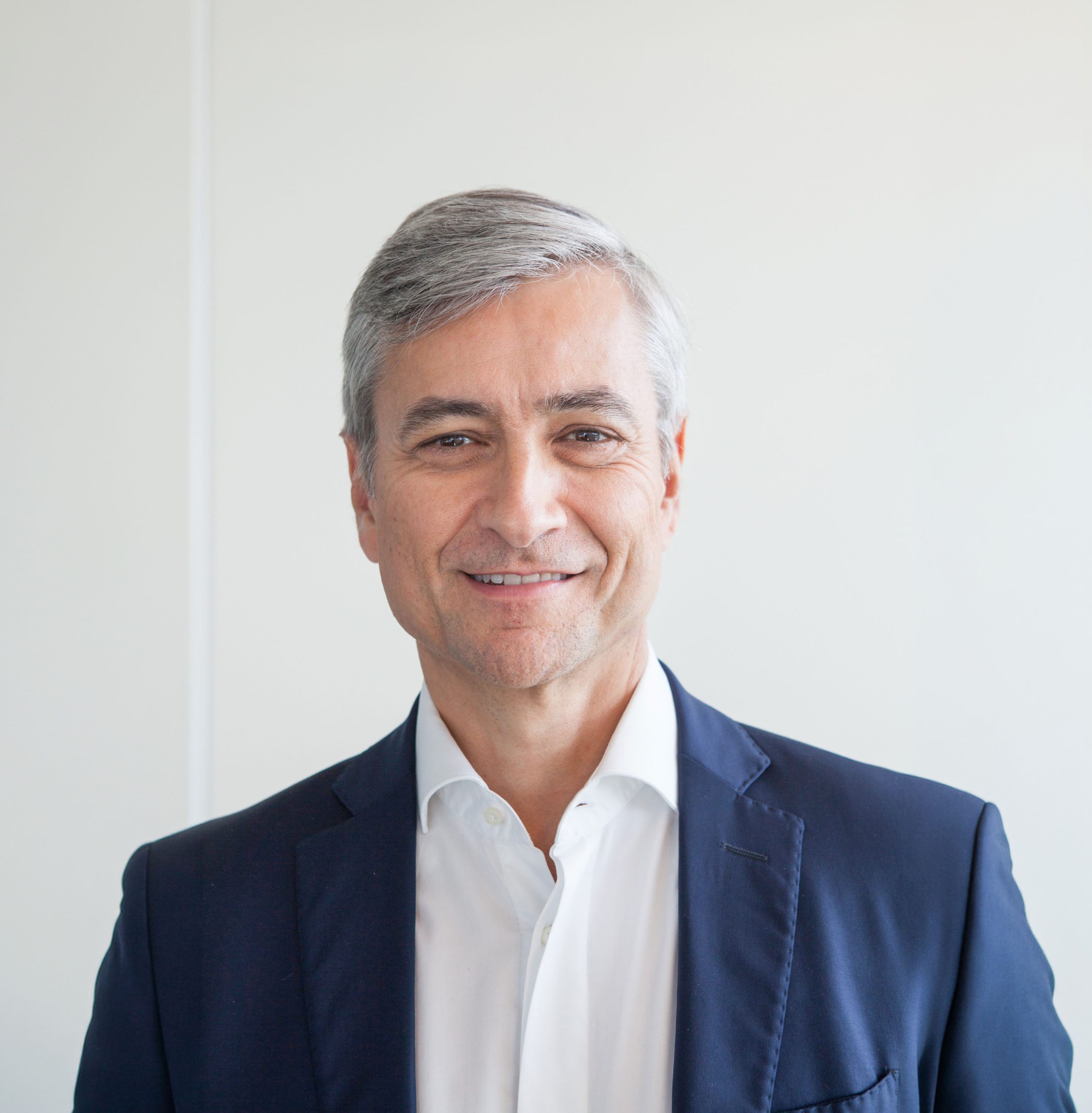
Jean-Philippe Courtois
President of SKEMA Business School
President of Live for Good